
📌 Key Takeaways
A wrongful termination claim involving whistleblower or compliance-related allegations can shift a dental practice dispute in Southern California from one employment decision to broader litigation risk.
- Allegations Expand Risk: Whistleblower or compliance-related allegations may move the dispute toward protected activity, disputed motive, timing, and management credibility.
- Timing Draws Scrutiny: When termination follows alleged protected activity, the sequence of events may become part of a retaliation theory.
- Records Shape Narratives: Payroll records, schedules, disciplinary write-ups, internal messages, and witness accounts may affect how the employment decision is evaluated.
- Operations Feel Pressure: Dental practices may face staff disruption, patient-scheduling strain, reputational concerns, and management distraction while litigation unfolds.
- Defense Requires Context: Employment defense for dental practices often involves small-business realities, patient-facing staffing pressures, and fact-specific allegations.
Allegations change the frame; records, timing, and credibility shape the dispute.
Southern California dental practice owners, managing dentists, and practice administrators facing employee claims will gain immediate clarity here, guiding them into the litigation-specific details that follow.
~ ~ ~ ~ ~ ~ ~ ~ ~ ~ ~ ~ ~ ~ ~ ~ ~ ~
A wrongful termination claim against a Southern California dental practice can become more complex when a former employee alleges that the termination followed a safety complaint, regulatory concern, or compliance-related objection. In that setting, the dispute may no longer focus only on the separation decision. It may also involve alleged protected activity, disputed motive, timing, internal communications, payroll records, scheduling decisions, and management credibility.
For dental practice owners, dentist-owners, managing dentists, and practice administrators, that escalation can feel immediate and disruptive. A claim by a dental assistant, hygienist, treatment coordinator, billing coordinator, front-office employee, office manager, or other staff member may affect patient schedules, staff morale, front-office operations, and the owner’s ability to keep the practice functioning while litigation unfolds.
Why Whistleblower Allegations Can Intensify Wrongful Termination Claims
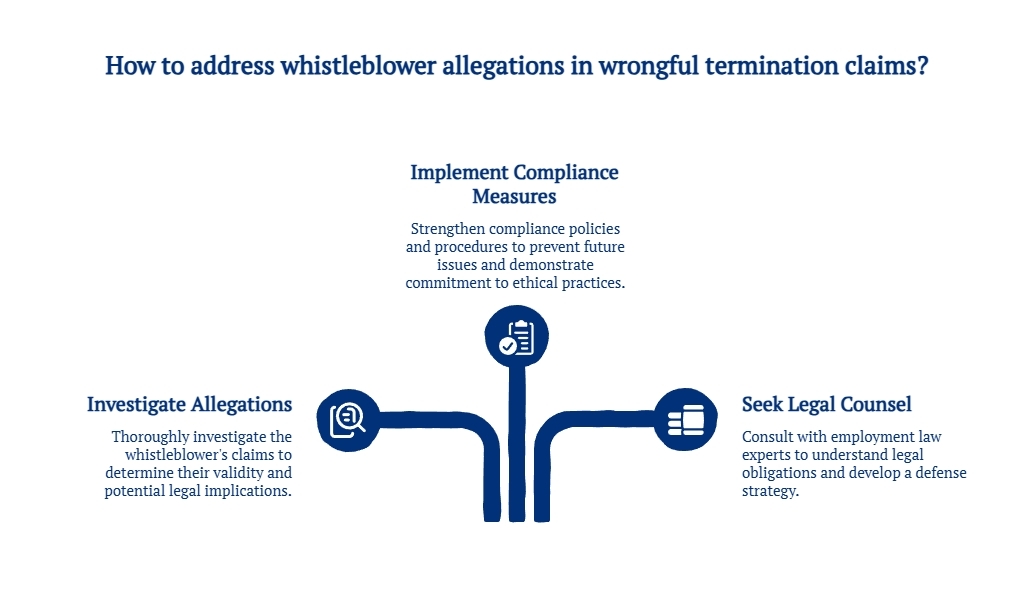
A claim involving alleged whistleblower activity may increase litigation risk because the former employee is not merely challenging the termination. The former employee may contend that the termination occurred because of a complaint about alleged unlawful conduct, regulatory noncompliance, patient-facing compliance concerns, payroll practices, safety issues, leave matters, or accommodation concerns.
Under California law, generally, Labor Code section 1102.5 is one statutory framework associated with whistleblower retaliation allegations. California employment laws also protect employees who oppose or report certain forms of discrimination, harassment, retaliation, or other alleged unlawful workplace conduct, including claims involving the Fair Employment and Housing Act (FEHA). Crucially for smaller dental offices, the application of these laws depends heavily on employer headcount thresholds: while Labor Code section 1102.5 applies to all employers regardless of size, FEHA’s anti-discrimination provisions generally govern practices with 5 or more employees, though its anti-harassment protections apply to any workplace with 1 or more employees. The exact scope of liability depends on these statutory thresholds, the specific facts, the alleged protected activity, and the employment decision at issue.
For a dental practice facing wrongful termination claims, the presence of whistleblower or compliance-related allegations may shift the dispute toward what was said before termination, who knew about the alleged complaint, how management understood the issue, and whether later events may be characterized as retaliatory.
How Compliance-Related Complaints May Become Part of the Termination Dispute
In practice, a former employee may characterize a workplace disagreement as protected activity after the employment relationship ends. The complaint may claim that the employee raised concerns about alleged wage practices, patient-facing procedures, workplace safety, disability accommodation, medical leave, pregnancy-related issues, harassment, discrimination, or other legal violations.
At that stage, the allegation may change the posture of the dispute even before the underlying facts are resolved. A dental practice may have viewed the termination as a staffing, conduct, performance, attendance, or business decision. The former employee may describe the same decision as whistleblower retaliation or unlawful retaliation.
When a termination follows alleged protected activity, the timing of the employment decision may become part of the retaliation theory. A judge, jury, agency, or opposing party may evaluate the surrounding circumstances, including communications, consistency, contemporaneous documentation, and witness accounts.
Why Dental Practices Face Unique Operational Pressure During Employment Litigation
Dental practices often operate through tightly coordinated teams. Patient appointments may depend on hygienist availability, dental assistant coverage, front-office coordination, billing workflows, and treatment scheduling. When an employee lawsuit or agency complaint interrupts that environment, the disruption may reach beyond legal expense.
For a small or closely held dental practice, the practical concerns often include:
- The claim may affect staff morale because current employees may know the former employee, the supervisor, or the events being disputed.
- Payroll, timekeeping, scheduling, leave, and personnel records may become part of the litigation narrative.
- Office managers, managing dentists, supervisors, or current staff members may be connected to disputed communications.
- Patient-facing reputation may become a business concern when allegations involve compliance, professionalism, or management conduct.
- Ownership may have to manage litigation stress while continuing to oversee patients, staffing, production, and daily operations.
These pressures are not present in every dental office. However, employment litigation can be especially disruptive in a smaller patient-facing practice because the same people who manage the business often remain directly involved in patient service, staffing, and daily supervision.
Why Payroll, Scheduling, and Staff Communications May Receive Scrutiny
Whistleblower-related termination disputes frequently expand beyond the final termination decision. The former employee may point to prior complaints, schedule changes, reduced hours, disciplinary write-ups, altered duties, payroll disputes, timekeeping issues, or management communications as part of a broader retaliation theory.
When the allegations involve wage-and-hour disputes, the dispute may include references to overtime, meal periods, rest periods, off-the-clock work, or timekeeping practices. When the allegations involve an employee with a disability or an employee seeking reasonable accommodation, the dispute may also involve communications about job duties, leave, restrictions, scheduling, or interactive process issues.
In a dental practice, many important communications may occur informally. Owners, office managers, and staff may communicate through texts, emails, handwritten notes, schedule changes, chairside conversations, or quick front-desk exchanges. Once litigation begins, those communications may receive a level of attention that the participants did not anticipate when the conversation occurred.
The surrounding record may also matter. A former employee may point to inconsistent documentation, deviation from established practice, uneven policy application, or proximity between alleged protected activity and termination as part of the claim. From the employer-side perspective, the dispute shifts under a heightened legal standard: under California Labor Code section 1102.6, once an employee establishes that protected activity was a contributing factor in their termination, the employer must demonstrate by clear and convincing evidence that the same decision would have been made for legitimate, independent reasons. Rules governing employer exposure have adapted significantly. Consequently, mounting a defense heavily depends on whether the stated legitimate business reason is definitively supported by highly consistent, contemporaneous timing, records, communications, and witness testimony. Establishing this ‘same-decision’ framework is vital; under prevailing California precedent, if a practice successfully proves by clear and convincing evidence that it would have made the identical employment decision regardless of the whistleblowing, the plaintiff’s action is not deemed ‘successful,’ effectively barring the plaintiff from recovering statutory attorney’s fees under Labor Code section 1102.5(j).
How Evidence, Privilege, and Litigation-Hold Issues Can Affect the Dispute
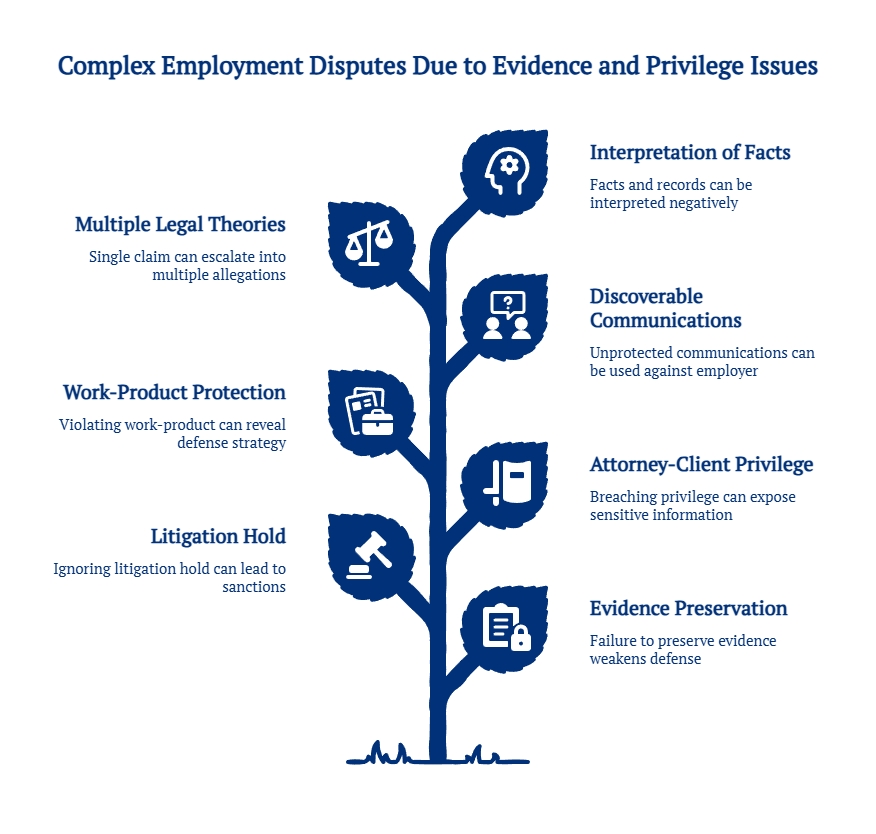
Active employment disputes can implicate evidence-preservation obligations, litigation-hold concerns, attorney-client privilege, work-product protection, and discoverable communications. These issues can become especially sensitive when a lawsuit, letter of demand, agency complaint, or regulatory notice has already been received.
For dental practices, a wrongful termination dispute may involve more than one legal theory or forum, even when it began as a single separation-related claim. A former employee may allege retaliation, discrimination, wage-and-hour violations, leave-related violations, accommodation issues, or other employment-law theories in connection with the same termination.
From an employer-defense perspective, the risk is not limited to whether the practice had a legitimate business reason for the employment decision. The broader concern is how the facts, records, communications, and witness testimony may be interpreted after the dispute has become formal.
Why Litigation-Focused Employment Defense Representation Matters for Dental Employers
For many dental practice owners, an employee claim can place meaningful pressure on the business. Patient care, appointment flow, staff coverage, production, billing, and reputation may all require attention while the practice is also facing serious legal allegations.
Employment litigation defense for a dental practice requires familiarity with how small businesses operate, how closely held practices make decisions, how patient-facing staffing pressures affect daily operations, and how retaliation or wrongful termination allegations can expand after a former employee files a claim. Active disputes may also require coordination among ownership, practice administration, HR resources where applicable, and employment defense attorney.
Akopyan Law Firm, A.P.C. represents California employers in active employment disputes involving wrongful termination, whistleblower retaliation, unlawful retaliation, and related workplace claims. The firm provides employment defense representation for businesses facing lawsuits, demand letters, agency complaints, and other serious employment disputes.
Disclaimer:
This content is for informational purposes only. Laws, definitions, and deadlines change. Verify current requirements through official California sources. This content is not legal advice. No attorney-client relationship is formed through this content. Please consult a qualified attorney in your jurisdiction for legal advice specific to your situation.
Protect Your Business | The Akopyan Law Firm, A.P.C. | Top Gun Employment Lawyers
Have you been sued by an employee? Are you overwhelmed by the complexities of employment law? If so, give us a call. The Akopyan Law Firm, A.P.C. assists small business owners throughout Southern California. Our seasoned employment defense lawyers stand ready to help employers quickly and efficiently resolve employment disputes. We are ready to aggressively and skillfully defend against any employment case, but understand that in most situations avoiding the expense of litigation is in the client’s best interest.
Take the First Step Protecting Your Future: Call us today to speak with one of our experienced employment defense lawyers.
Contact Us Today:
- Phone: (818) 509-9975
- Office Locations in California: Los Angeles, Bakersfield, Costa Mesa, Temecula, Rancho Cucamonga, Oxnard, Culver City, and San Diego.